
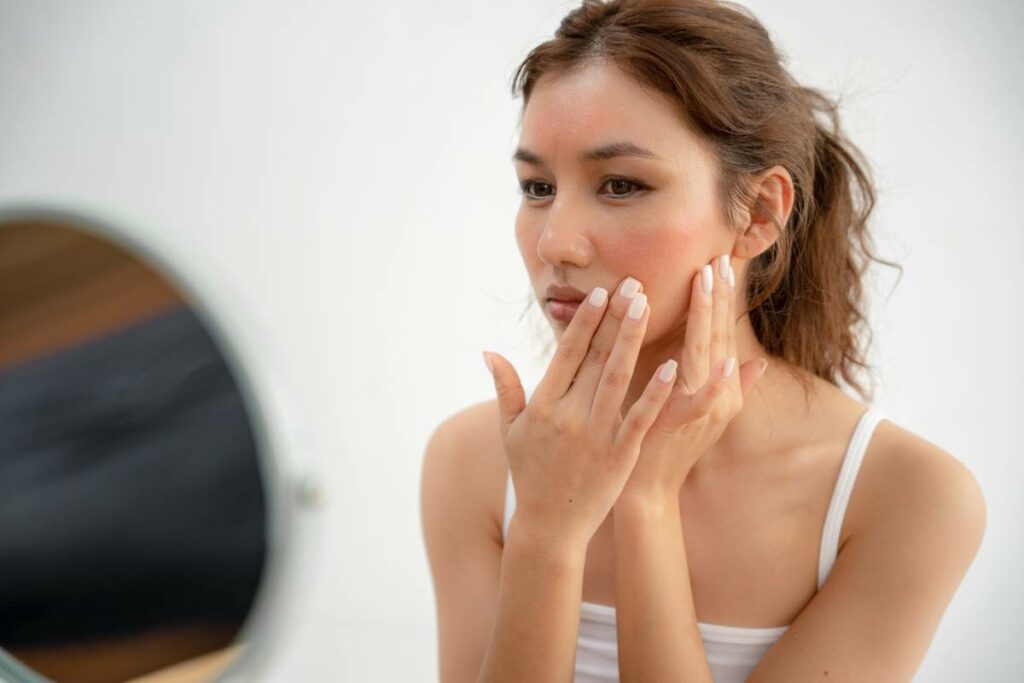
Acne is not just about excess sebum. In the majority of cases, blemishes are a sign of a skin microbiota unbalanced a living ecosystem composed of bacteria, yeasts and micro-organisms that naturally protect the skin.
When this balance is broken (dysbiosis), spots multiply, inflammation sets in, and the skin becomes sensitive and reactive.
This is where the Postbiotics Enter in: innovative active ingredients capable of restoring the harmony of the skin microbiome while immediately soothing the skin.
What is a postbiotic?
A postbiotic is an extract derived from inactivated probiotics:
→ these are bacterial fractions, peptides, enzymes or metabolites produced during fermentation.
Unlike live probiotics, they present no risk of contamination, while retaining their skin benefits :
Microbiome rebalancing
immune modulation
anti-inflammatory effect
skin barrier reinforcement
The most commonly used postbiotics in cosmetics are:
Lactococcus Ferment Lysate
Bifida Ferment Lysate
Why are postbiotics particularly effective for acne-prone skin?
Postbiotics act on the 4 key mechanisms of acne:
1. They limit the proliferation of undesirable bacteria
Postbiotics inhibit the growth of pathogenic micro-organisms, particularly those involved in comedone inflammation.
2. They reduce deep inflammation
Chronic inflammation is at the heart of acne. Postbiotics send calming signals to skin cells, reducing redness and pain.
3. They restore the skin barrier
Acne-prone skin is often weakened by:
super-clean
stripping treatments
exfoliants too frequent
antibiotics
→ Result: it reacts, becomes dehydrated, produces more sebum.
postbiotiques stimulent le cell renewal and help to rebuild essential lipids.
4. They rebalance the skin's microbiome sustainably
A balanced microbiome = fewer blemishes, less redness, fewer recurring imperfections.
Cutaneous microbiota and acne: a scientifically established link
When the microbiome is disrupted, the skin sends visible signals:
recurring imperfections
inflammation
sensitivity
Dehydration
grassland / dryland
This dysbiosis can be caused by:
abrasive cleaners
aggressive cosmetics (pH too high)
diet high in simple sugars
stress
Pollution
Postbiotic-enriched treatments help precisely to break this vicious cycle.
Ideal anti-acne routine with postbiotics
1. Gentle cleaning (no stripping)
Overly stressed skin produces even more sebum.
The competitors are insisting on it.
→ favour a non-foaming, fragrance-free gel with a physiological pH.
2. Postbiotic Serum
Key step for:
to reduce inflammation
rebalance the microbiome
reduce imperfections
prevent future flare-ups
3. Regulating light cream
Even oily skin needs hydration.
4. Targeted care if needed
Salicylic acid, niacinamide, zinc…
5. Sun protection
Indispensable for avoiding post-acne marks.
Why Lucia Rapetti treatments are particularly suited to acne-prone skin
The philosophy of Lucia Rapetti is based on:
high-concentration assets
Neuro-cosmetic formulations
absolute respect for the skin barrier
microbiome-friendly approach
A Lucia Rapetti postbiotic treatment is distinguished by:
✔ perfect tolerance even on sensitive skin
✔ Immediate anti-inflammatory action
A deep microbiome rebalancing
✔ a visible effect on blemishes and redness
✔ Fine texture suitable for combination and oily skin
Do postbiotics replace zinc?
No, they act differently:
Postbiotics calm inflammation and balance the microbiome.
Zinc regulates sebum
Can they be used at the same time as salicylic acid?
Yes, it's even an ideal synergy.
Are they suitable for teenagers?
Yes, as they are very well tolerated.
How long to see results?
Between 2 and 4 weeks depending on the initial state of the skin barrier.


